Down-Ballot, Up-Close: Why Local Elections Are Really About Your Fence Line
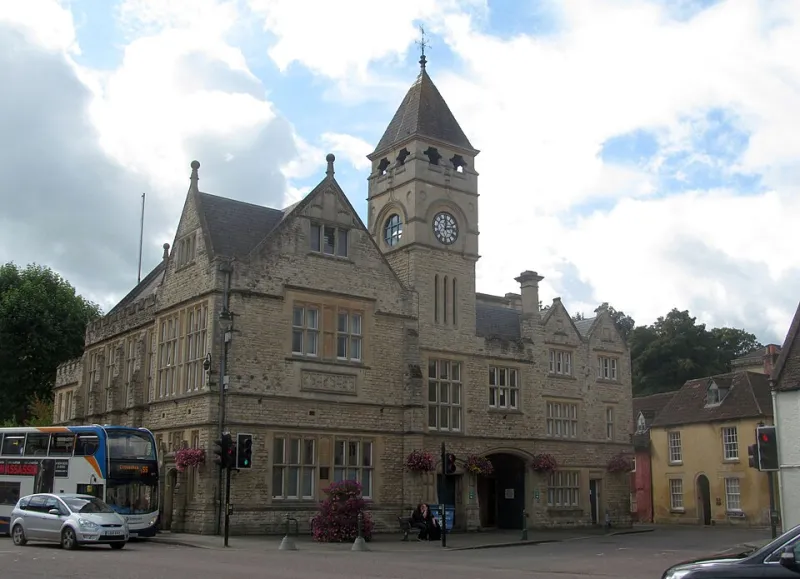
Photo: My another account, CC0, via Wikimedia Commons
Local elections are often treated as housekeeping: school boards, sheriff, assessor, zoning board, and a handful of ballot questions that most voters skip. For homeowners, that is a costly assumption. The rules that determine how close a fence may sit to a lot line, whether a shed needs a variance, how a setback is measured, and how a property is assessed are written and administered by officials who answer to local voters. The ballot behind the boundary is not a metaphor. It is the mechanism through which property rights are quietly reshaped.
The Boundary Rules You Live With Are Local
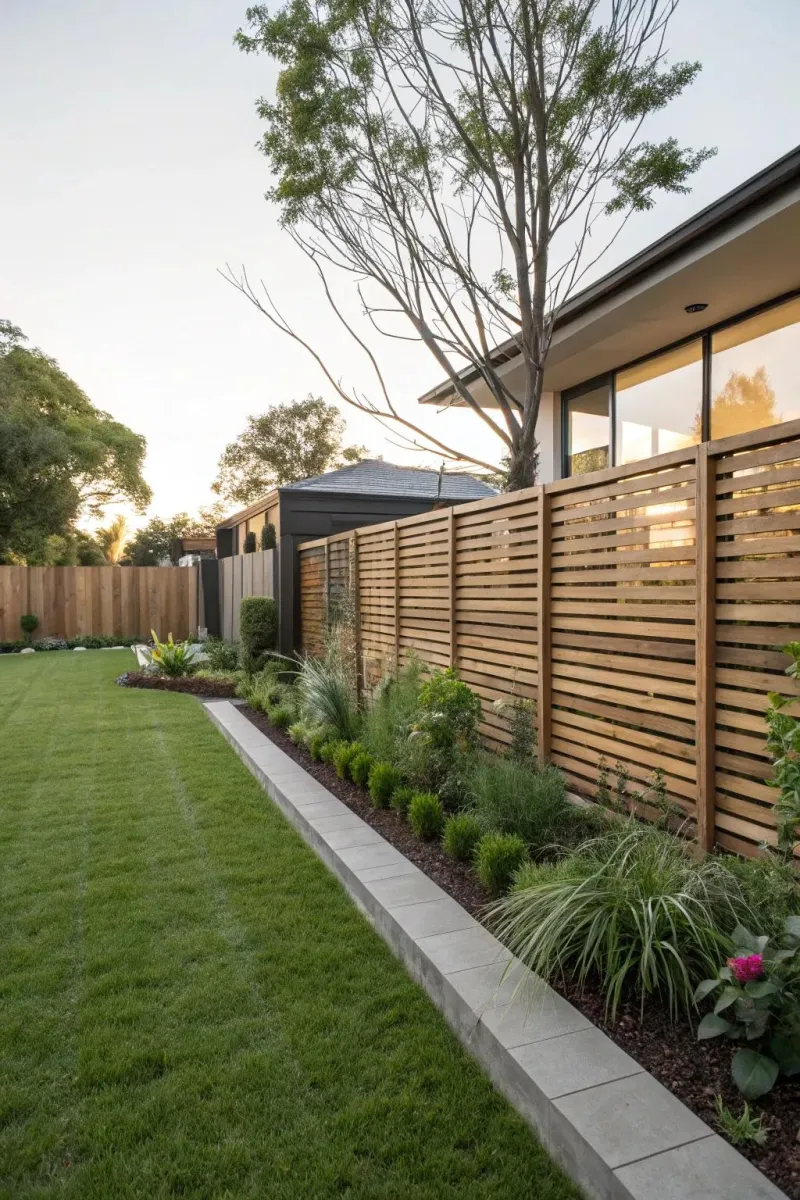
State law sets the framework, but municipalities fill in the details. A fence-height ordinance may permit six feet in a rear yard and four feet in front. A zoning board may grant a variance that changes what a neighbor can build. An assessor's methodology can shift a tax bill without changing a single deed. A planning commission may approve a subdivision plat whose lot lines create drainage problems for decades. These decisions are not abstract. They determine whether a homeowner can install a privacy fence, add a driveway, or challenge an encroachment without paying for a legal fight.
Low Turnout, High Stakes
Local races often draw a small fraction of the electorate. That low turnout gives organized groups disproportionate influence. A handful of vocal residents can shape a zoning board's approach, and a single well-attended meeting can change the trajectory of a fence ordinance. The result is a policy landscape that may not reflect the broader community's interest in clear, consistent, and fair boundary rules.
What to Look For in Candidates
Voters do not need a law degree to evaluate local candidates, but they should ask specific questions. Does the candidate support published, objective standards for fence heights and setbacks? Will the zoning board explain its variance decisions in writing? Does the assessor's office offer a clear process for appealing a valuation? Is there a plan for updating outdated parcel maps? Candidates who answer these questions with generalities are telling voters something. Candidates who offer concrete commitments are easier to hold accountable.
Questions That Deserve Public Answers
Homeowners should ask how the municipality handles boundary disputes that involve public infrastructure, such as sidewalks, drainage easements, and rights-of-way. They should ask whether permit records are online and searchable. They should ask how the zoning board balances neighbor objections against the written code. And they should ask whether the town or county publishes a plain-language guide to fence, setback, and tree rules. Transparency is not a partisan issue. It is a property-rights issue.
How to Advocate Without Partisanship
Advocacy begins with showing up. Attend a zoning or planning meeting before a dispute affects your street. Read the agenda. Submit written comments. Ask for documents. Join or form a neighborhood association that focuses on land-use transparency rather than personalities. When a candidate forum is held, ask about boundary and property issues directly. If a policy is proposed, compare it to the adopted comprehensive plan and the local code. The goal is not to elect allies for a single fence fight, but to support officials who value consistent rules and fair process.
The Transparency Test
A simple test can guide local advocacy: can a resident find the rule, understand the process, and get a written decision? If the answer is no, the boundary system is failing regardless of who wins the election. Homeowners should reward candidates and officials who publish standards, explain decisions, and treat every resident the same. They should also hold themselves to that standard when they ask for a variance or challenge a neighbor's permit.
Conclusion
Boundary disputes are often personal, but the rules that govern them are political in the local sense. They are made in meeting rooms and on ballots that most voters ignore. Paying attention to down-ballot races is not a distraction from property rights. It is one of the most direct ways to protect them.